Major Railway Accidents in History and Their Consequences for Railway Safety and Operation
Table of Contents
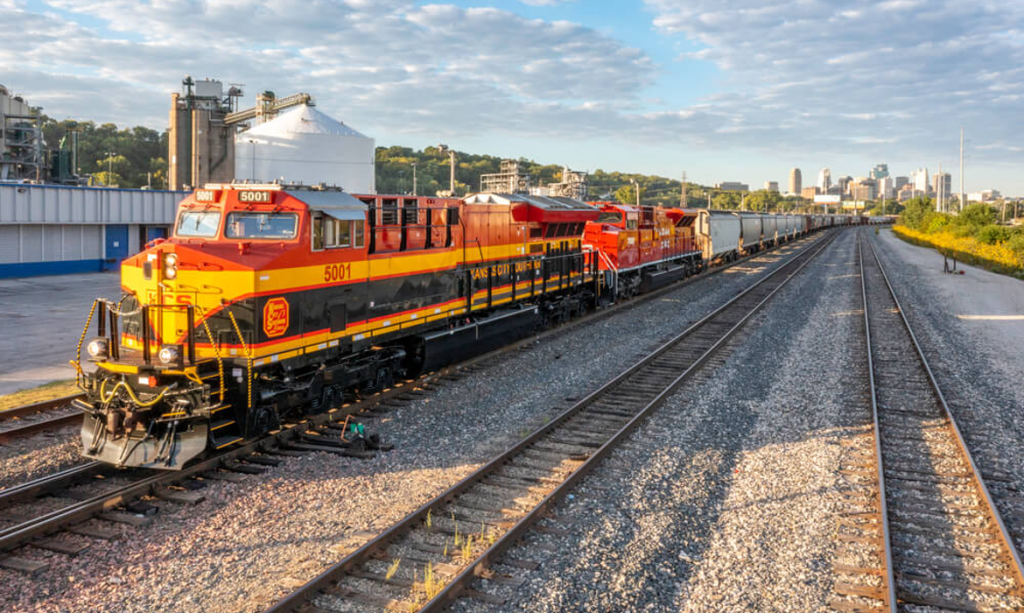
The development of rail transport has been intrinsically linked to risk management and the technical response to the unforeseen. Over nearly two centuries, the railway industry has gone from being a highly dangerous mechanical experiment to one of the safest modes of transport in the world.1 This transformation has not been linear, but rather driven by a series of catastrophic events that revealed critical failures in infrastructure, technology, and operational protocols. Studying the ten railway accidents with the highest number of victims not only allows us to gauge the magnitude of these tragedies but also constitutes a catalog of lessons learned that have shaped contemporary international safety standards.
From the introduction of automatic air brakes to the implementation of AI-based train control systems, every advance has had as its backdrop a disaster that highlighted the inadequacy of previous systems. Modern railway safety is founded on redundancy and the elimination of human error, principles that emerged from the ashes and twisted iron of accidents like those at Saint-Michel-de-Maurienne, Ufa, or Peraliya. This report analyzes these catastrophes from a technical perspective, exploring their root causes and the regulatory reforms they generated.
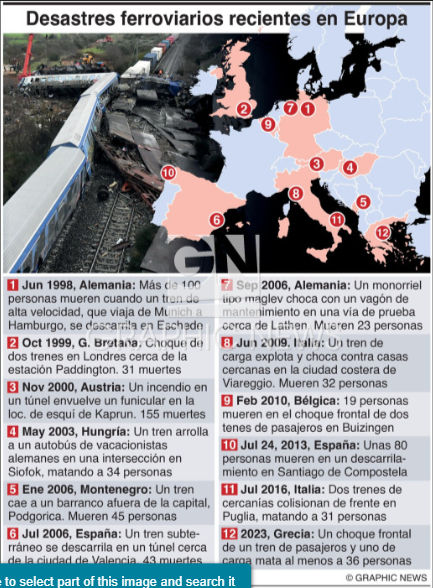
Chapter I. Statistical Overview of Major Railway Catastrophes
To contextualize the analysis, it is imperative to establish a comparative database that allows identifying patterns in the causality of disasters. While official figures are often debated due to contexts of war or political censorship, historical records and subsequent technical investigations offer a clear view of the most tragic events.
| Accident and Year | Location | Estimated Death Toll | Primary Cause Identified | Regulatory and Technical Consequences |
|---|---|---|---|---|
| Tsunami Disaster (2004) | Peraliya, Sri Lanka | 1,700 - 2,000 | Catastrophic natural phenomenon (tsunami) that overwhelmed infrastructure. | Creation of the IOTWMS; mandatory evacuation protocols and integrated seismic alerts.2 |
| Bihar Tragedy (1981) | Bihar, India | 500 - 800 | Combination of cyclone, emergency braking, and structural bridge failure. | Bridge reinforcement; anemometric sensors and transition to LHB safety coaches.3 |
| Saint-Michel-de-Maurienne (1917) | French Alps, France | 675 - 800 | Insufficient manual braking, extreme overload, and operational negligence. | Standardization of continuous air brakes; ban on wooden wagons.4 |
| Ciurea Catastrophe (1917) | Ciurea, Romania | 800 - 1,000 | Air brake system failure and wartime overcrowding. | Review of brake valve protocols; strict load capacity control.5 |
| Guadalajara Derailment (1915) | Jalisco, Mexico | 600+ | Brake failure on steep descent and lack of maintenance. | Railway centralization and nationalization to standardize maintenance.6 |
| Ufa Explosion (1989) | Ural Mountains, USSR | 575 - 780 | Gas leak from an adjacent pipeline due to industrial negligence. | Pipeline-track distancing laws; telemetry and gas detection systems.7 |
| Balvano Disaster (1944) | Balvano, Italy | 520 - 600 | Mass asphyxiation by carbon monoxide in a poorly ventilated tunnel. | Tonnage limits on ramps; ban on steam traction in critical tunnels.8 |
| Torre del Bierzo (1944) | León, Spain | 78 - 800 | Triple collision due to brake failure and defective signalling. | Accelerated development of the ASFA system; modernization of signals and interlockings.9 |
| Awash Derailment (1985) | Awash, Ethiopia | 400 | Excessive speed on a sharp curve over a bridge. | Installation of surveillance systems; software-based speed limits in critical zones.8 |
| Al-Ayyat Fire (2002) | Al-Ayyat, Egypt | 373 - 383 | Fire due to passenger negligence and lack of emergency systems. | Mandatory fire-retardant materials; fire alarms and communication improvements.8 |
I.1. The Tsunami in Sri Lanka and Resilience to Natural Disasters
On December 26, 2004, train number 50, known as the “Matara Express” or “Queen of the Sea”, became the scene of the largest loss of life in a single railway event.2 This disaster is fundamental to modern safety because it demonstrated that railways are vulnerable to massive external events unrelated to internal mechanical failures. The train, travelling along the Sri Lankan coastal line towards Galle, was carrying an estimated crowd of between 1,700 and 2,000 people, far exceeding its official capacity.2
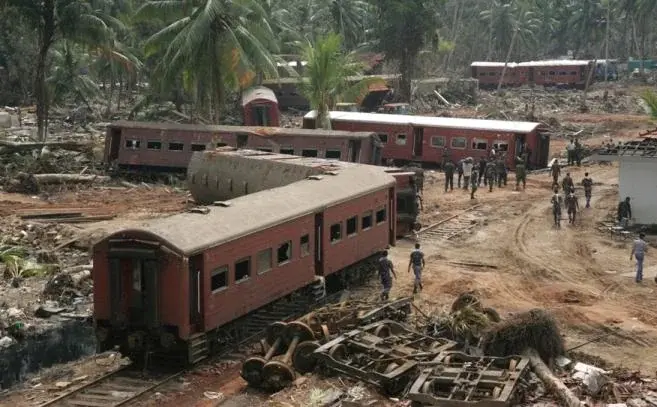
The sequence of the disaster began when the first tsunami wave, generated by a magnitude 9.1 earthquake in the Indian Ocean, reached the train near the village of Peraliya. The wave flooded the tracks and stopped the locomotive.2 At this critical moment, the lack of a tsunami prevention culture proved fatal. Many passengers and local residents climbed onto the roofs of the carriages or took shelter behind them, believing the train’s mass would act as a shield against the water.2 However, the second wave, of colossal dimensions, lifted the eight passenger cars, separated them from the locomotive, and violently threw them inland, crushing them against trees and buildings.2
The technical consequences of this event transformed emergency management globally. Before 2004, most coastal railway systems did not have direct communication protocols with seismological institutes. The Peraliya disaster prompted the creation of the Indian Ocean Tsunami Warning and Mitigation System (IOTWMS) under the aegis of UNESCO.10 Nowadays, railway networks in seismic zones, such as those in Japan or Chile, integrate automatic braking systems that activate upon detection of primary seismic waves, allowing trains to stop before secondary waves or the tsunami arrive.11
The 2004 tsunami catastrophe in Sri Lanka should not be seen only as a tragic event, but as the catalyst for a new discipline within transport engineering: geophysical resilience. Prior to this event, railway safety focused almost exclusively on preventing collisions and mechanical failures. The “Queen of the Sea” demonstrated that an infrastructure’s geographical location can be its greatest risk.
The Sri Lankan coastal railway line, built during the British colonial era, was designed to offer scenic views and efficiency in freight transport between the port of Galle and the capital, Colombo. However, its proximity to the sea (in some sections less than 10 meters from the coast) did not contemplate the impact of a tsunami, an extremely rare phenomenon in that region. The locomotive involved, #591 “Manitoba”, was a robust diesel-electric machine, but nothing in its design could counteract the hydrodynamic force of a 9-meter wave.2
Following the accident, railway engineers in risk zones have begun applying flood simulation models to determine “critical flood points” in their networks. In Sri Lanka, this resulted in raising track sections and creating retaining walls designed not to stop the sea, but to dissipate wave energy.2 Additionally, the concept of “railway refuge zones” was implemented, where trains must stop in case of an alert, located at natural elevations or reinforced structures.
At the telecommunications level, the failure in Peraliya was absolute. Attempts to stop the train at Ambalangoda station failed because staff were helping with the train and did not answer the phone.2 This collapse of hierarchical communication led to the adoption of mass alert systems based on SMS and digital radio that do not depend on human intervention at intermediate stations. Currently, a tsunami alert issued by the regional center reaches train drivers’ screens directly in seconds, triggering immediate evacuation protocols.11
I.2. Bihar: Bridges, Climate, and the Future of Rail in India
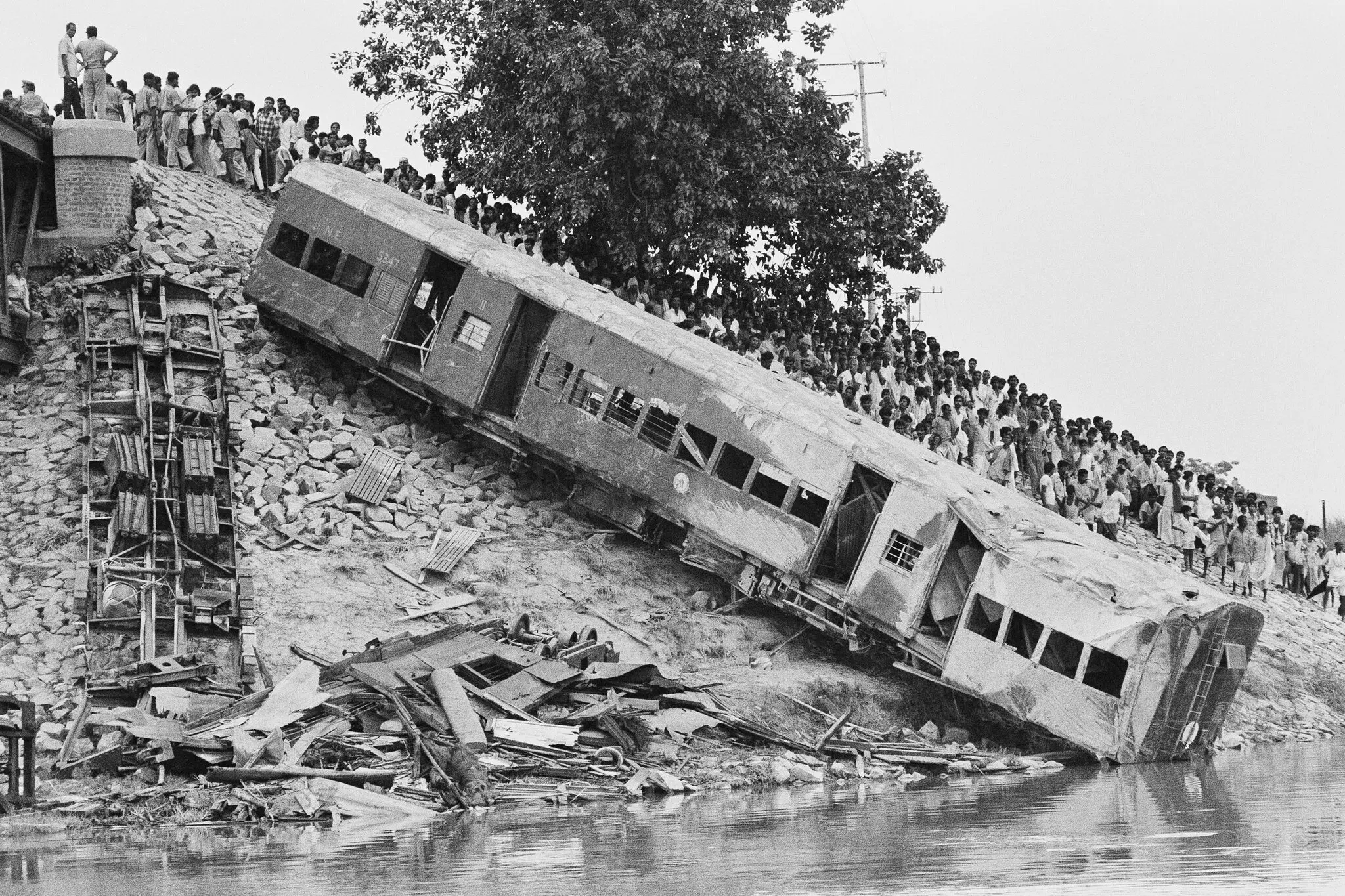
The Bihar disaster in 1981 highlighted the fragility of 19th-century infrastructure in the face of climate change. The bridge over the Bagmati River was not equipped with breakwaters or structural defenses sufficient for massive flood flow.3 The tragedy prompted a national bridge audit program in India, where thousands of British-era structures have been reinforced or replaced by prestressed concrete bridges with deep foundations.3
 India also now leads the implementation of low-cost but high-efficacy safety systems, such as the “Kavach” system.8 This Automatic Train Protection (ATP) system prevents two trains from colliding head-on or rear-end using radio frequency signals and Radio Frequency Identification (RFID). Kavach also automatically applies the brakes if the driver fails to do so at a danger signal, directly addressing the human error problem that caused so many accidents in the past.8
Crowd management remains a challenge, but the introduction of CCTV cameras with video analytics in stations now allows operators to monitor passenger flow and adjust train frequencies to avoid extreme risk situations like those at Bihar or Al-Ayyat.12
The Bihar accident in 1981, in which a train plunged into the Bagmati River, remains India’s deadliest railway disaster.13 The cited causes—a cyclone, sudden braking to avoid cattle on the track, or poor infrastructure condition—reflect the structural challenges of massive railway networks in developing countries.3 With a death toll of between 500 and 800 people, the tragedy forced Indian Railways to rethink the safety of its bridges and the resilience of its rolling stock.12
Since then, India has undertaken a massive transition from old ICF design coaches, prone to piling up and crushing passengers in collisions, to LHB (Linke Hofmann Busch) stainless steel coaches.12 These new vehicles are designed with “anti-climbing” couplings that prevent one car from climbing over another during a derailment, saving thousands of lives in subsequent incidents.12 Additionally, early warning systems for extreme weather conditions have been installed, imposing automatic speed restrictions during the monsoon season.8
I.3. The Evolution of Braking Dynamics Post-Maurienne and Ciurea
The year 1917 represents a dark turning point in railway history. The pressure of World War I forced European railways to operate beyond their technical limits. Two disasters occurring that year, in France and Romania, exemplify how subordinating safety to military objectives inevitably leads to tragedy.
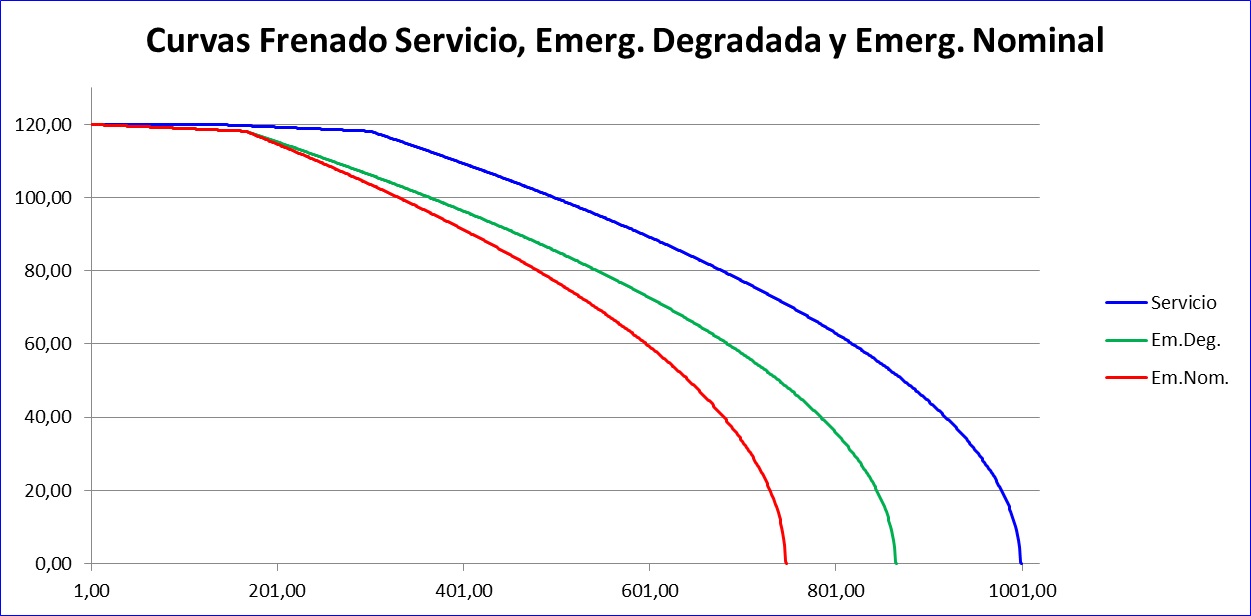
In Saint-Michel-de-Maurienne, a military train transporting about 1,000 French soldiers from the Italian front suffered a catastrophic derailment on a 3.3% descent.4 The train consisted of 19 cars, but only the first three had automatic air brakes. The rest relied on hand brakes operated by brake guards who had to act upon the driver’s whistle signals.4 Despite the driver’s warnings about the excessive load, military authorities forced him to depart. Reaching speeds of 135 km/h in a 40 km/h limited zone, the train derailed and caught fire due to candles used for lighting and ammunition illegally carried by soldiers.4
Simultaneously, the Ciurea disaster in Romania presented a similar configuration: a train overloaded with wounded and refugees lost braking capability because an air valve was accidentally closed on the third wagon, leaving the remaining 23 cars disconnected from the pneumatic braking system.5 Both accidents precipitated the mandatory adoption of continuous air braking on all vehicles in a convoy, eliminating dependence on human brake guards and establishing that any interruption in the air line would automatically apply brakes throughout the train.14 Furthermore, these events marked the beginning of the end for wooden cars, which proved to be flammable death traps, driving the transition towards steel-structured passenger cars.14
The twin accidents of 1917 are fundamental to understanding the physics of railway braking. The central problem at Saint-Michel-de-Maurienne was “excessive friction braking”.4 When a heavy train descends a long slope, shoe brakes generate immense heat. If the driver applies the brakes continuously, the shoes can crystallize or melt, losing all efficacy. In the French case, the train’s overload (19 wagons for a single locomotive) meant that the kinetic energy to be dissipated exceeded the brake system’s thermal capacity.4
This disaster led to the development of “dynamic braking” or “exhaust braking” protocols. Today, modern locomotives use their electric motors to generate resistance (rheostatic or regenerative braking), allowing speed control on long descents without wearing out or heating the mechanical wheel brakes. Additionally, mandatory “braking ratios” were established: each train must have a minimum percentage of operational braked axles before being allowed to depart, a calculation performed automatically in current systems.14
In Ciurea, the lesson was about valve redundancy. The fact that a single accidentally closed valve could leave 20 wagons without air brakes was a fundamental design flaw.5 The regulatory response was the implementation of the “triple valve” and end-of-train pressure signalling systems. Now, drivers have a cockpit indicator showing air pressure in the last wagon; if this pressure drops below a safe level, the train stops automatically, guaranteeing that the braking system is continuous throughout the convoy’s length.1
I.4. Ufa Explosion: The Risks of Industrial Coexistence
The Ufa accident in 1989 is perhaps the most dramatic example of how failures in adjacent industrial sectors can annihilate a railway system. Two passenger trains carrying over 1,200 people, including hundreds of children, crossed paths in a valley in the Ural Mountains where an immense cloud of Liquefied Petroleum Gas (LPG) had accumulated.6 The gas was leaking from a 720 mm pipeline originally designed for oil and negligently converted for gas, violating standards limiting gas pipeline diameters to 400 mm.7
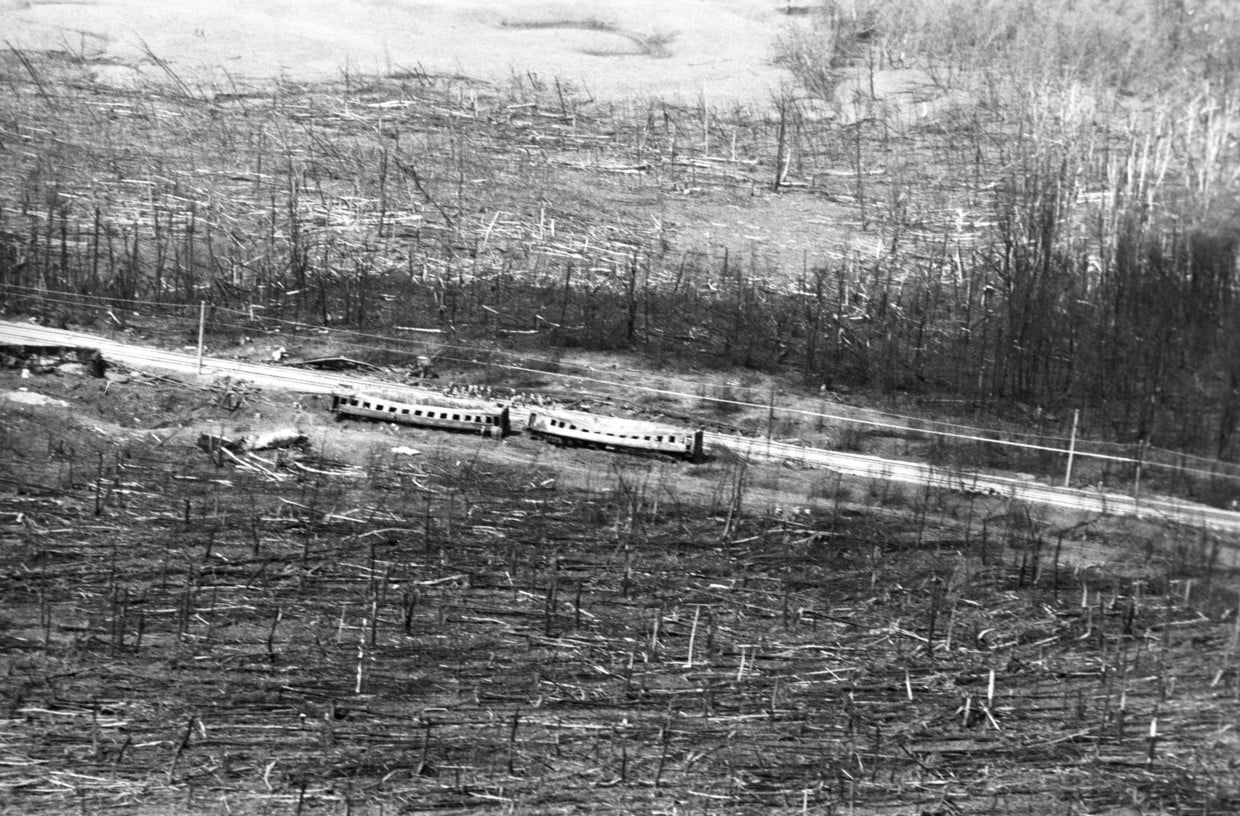
When a spark, likely generated by wheel friction or pantographs, ignited the cloud, an explosion equivalent to 10,000 tons of TNT occurred.8 The tragedy revealed a total lack of communication protocols: drivers of previous trains had reported the smell of gas, but dispatchers did not stop traffic.7 As a direct result of Ufa, international regulations on transport corridor planning became much stricter, prohibiting high-pressure pipelines near railway lines without physical protection barriers and real-time gas monitoring systems.15 Currently, automatic telemetry is mandatory to detect pressure drops in pipelines, automatically closing section valves to prevent explosive mixture accumulation.15
The Ufa explosion is a case study in “cumulative error theory”. It was not a single failure, but a chain of negligence that led to the catastrophe. The “Western Siberia-Urals-Volga” pipeline had a history of maintenance problems.7 The decision to increase gas pressure upon detecting a drop, assuming it was consumption demand and not a leak, is a classic example of confirmation bias in infrastructure management.7
From a railway perspective, Ufa changed the perception of the track as an isolated environment. It was recognized that the “right of way” must be protected from external threats. Currently, industrial safety standards like ISO 31000 are applied to assess risks in corridors where trains, pipelines, and high-voltage power lines coexist. Broad-spectrum gas detection sensors are installed in areas where tracks cross low geographical basins (like valleys), as heavy gases like butane tend to accumulate in these zones, creating invisible explosive clouds.7
Furthermore, the Ufa tragedy boosted international cooperation in disaster medicine. Collaboration between burn teams from the USSR and San Antonio, Texas, allowed the development of new protocols for mass treatment of thermal explosion victims, which are now part of emergency response plans for major railway operators worldwide.15
I.5. Balvano and Torre del Bierzo: The Challenge of Tunnels and Steam Traction
Accidents occurring in 1944 in Italy and Spain highlighted specific risks of railway operation in confined spaces. In Balvano, the problem was not a physical impact, but mass asphyxiation. An overloaded freight train carrying civilians stopped inside the Armi tunnel because steam locomotives were burning poor-quality coal generating lethal levels of carbon monoxide.8 The gas, odorless and invisible, killed over 500 people who fell asleep and never woke up.16 This disaster led to the implementation of strict tonnage limits for trains traveling on steep gradients in tunnels and the eventual replacement of steam traction with diesel and electric engines on these critical routes.16
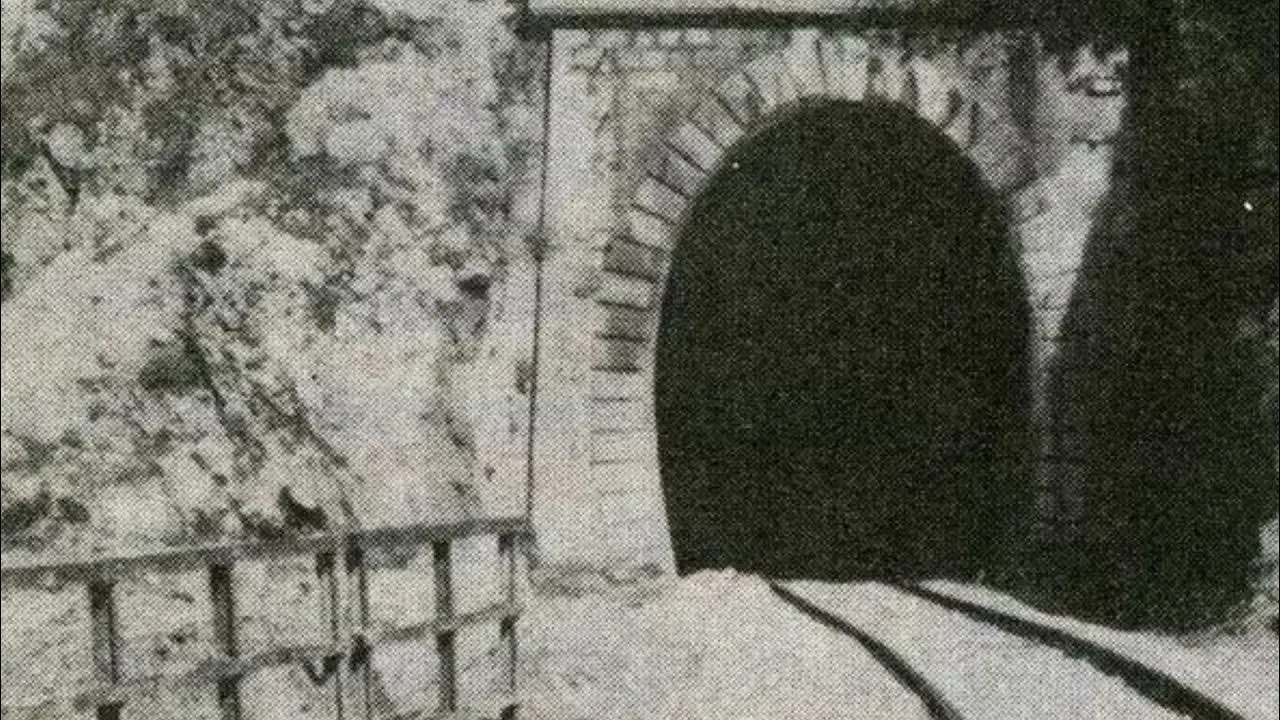
In Spain, the Torre del Bierzo accident involved a triple collision inside a tunnel, where fire fueled by coal and wooden cars made rescue impossible.9 Official censorship of the time tried to hide the magnitude of the tragedy, but technical lessons were unavoidable. The disaster was one of the catalysts for investment in the ASFA (Announcement of Signals and Automatic Braking) system, which monitors driver compliance with signals and applies brakes if collision risk is detected.9 This system is today the backbone of safety in the Spanish conventional network, having evolved into more sophisticated digital versions.
I.5.1. Balvano and Tunnel Ventilation Engineering
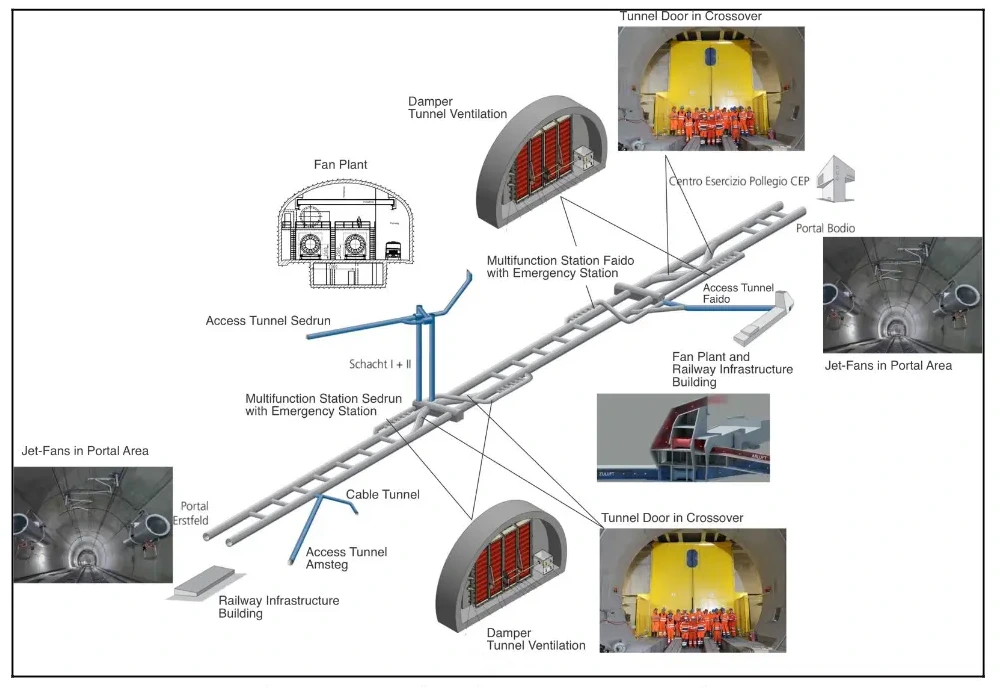
The Balvano disaster was a turning point for civil railway engineering. The Armi tunnel, 1.9 km long with a 3.5% gradient, was a natural gas trap under certain atmospheric conditions.16 Lack of wind and high humidity that day prevented the dispersion of exhaust gases from the two steam locomotives working at maximum effort.16
Balvano’s lessons were applied in the construction of modern tunnels like the Channel Tunnel or the Gotthard Base Tunnel. These include:
- Vertical Ventilation Shafts: Designed to allow hot air and gases to rise and exit the tunnel by natural convection.
- Forced Ventilation Systems (Saccardo Fans): Which inject high-velocity air to create a current pushing pollutants out.
- Air Quality Detectors: CO and CO2 sensors that activate alarms and prohibit train entry if levels are dangerous.16
- Parallel Evacuation Galleries: To allow passengers to escape to a safe and pressurized environment in case the main tunnel fills with smoke.8
Additionally, the disaster accelerated the elimination of steam locomotives on mountain routes. Electric traction is not only more efficient but completely eliminates the risk of toxic emissions in enclosed spaces, one of the greatest occupational health victories in railways.16
I.5.2. Torre del Bierzo and Signalling Standardization in Spain
The Torre del Bierzo accident of 1944 is the foundational event of modern railway safety in Spain. The triple collision occurred because mail train 421 lost its vacuum brakes (an inferior technology to compressed air brakes) and could not stop at Torre station, colliding with a shunting locomotive inside a tunnel, and being subsequently rammed by a freight train coming in the opposite direction.9
The lack of an automatic stop system was the root cause. This led to the development of the ASFA system, which uses magnetic beacons between rails to communicate information to the train cab.17 The system works as follows: if a train passes a caution signal (yellow) at excessive speed, the system emits an alarm; if the driver does not acknowledge the alarm or attempts to pass a red signal, ASFA instantly applies the emergency brake.9
In subsequent decades, this system has been refined to ASFA Digital, which allows continuous speed supervision. Moreover, Torre del Bierzo drove the elimination of vacuum brakes in favor of compressed air brakes, much more powerful and reliable, throughout the RENFE network.9 Information transparency also improved; the creation of independent investigation agencies like CIAF (Commission for the Investigation of Railway Accidents) in Spain ensures accident causes are analyzed without political interference, a radical change from the censorship of 1944.18
I.6. Al-Ayyat and Fire Management in Massive Convoys
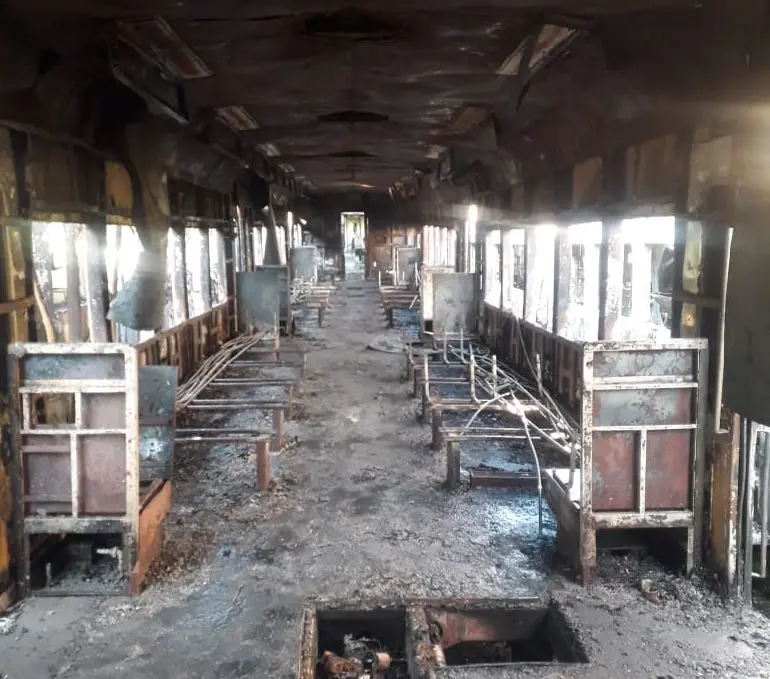
The fire on a train in Egypt in 2002, which killed over 370 people, underscored the importance of fire safety and onboard communication.19 The fire originated from the use of illegal cooking stoves in overcrowded carriages and spread rapidly because the driver did not notice the fire until the train had traveled several kilometers engulfed in flames.8
This disaster prompted reforms in train manufacturing, requiring the use of flame-retardant materials in internal linings and the installation of smoke alarm systems directly connected to the driving cab.12 Likewise, bidirectional communication protocols were established allowing passengers to activate an emergency brake that the driver cannot override without visual verification, ensuring the train stops as soon as possible in case of fire.8
I.7. Innovations in Defect Detection: From East Palestine to Global Safety
Although not among the ten deadliest due to the absence of immediate fatalities, the East Palestine accident in 2023 has revitalized the debate on “wayside detectors”.20 This incident, caused by the overheating of an axle bearing, is a modern reminder of the risks of hazardous goods trains.
The technical response has been the proposal to reduce the distance between hot box detectors from 25 miles to just 10 miles.20 Furthermore, the adoption of acoustic sensors that can hear a bearing failing weeks before it generates detectable heat is being promoted. This evolution from thermal detection (reacting to already present heat) to acoustic detection (predicting future failure) represents the current state of the art in railway safety.8
Likewise, fire management in chemical trains has led to the development of “gas discharge plans” and the use of drones for initial risk assessment without exposing first responders.8 These technologies, born from the analysis of modern derailments, are being integrated into passenger networks to protect high-speed convoys, where an axle failure at 300 km/h would be catastrophic.
Chapter II. Conclusion on Railway Risk Engineering
Analyzing these ten catastrophes reveals a clear pattern: railway safety has evolved from a model based on “mechanical resistance” to one based on “systemic intelligence”. Past accidents taught us to build better brakes and stronger wagons; more recent accidents are teaching us to integrate data, predict failures, and respect nature’s limits.
The sector’s goal is “zero accidents”. Although this objective seems utopian, the drastic reduction in the frequency of serious accidents in recent decades demonstrates that rigorous application of lessons learned is effective. The railway of the future, connected by 5G, supervised by satellites, and operated by autonomous control systems, is the direct heir to the experience accumulated in the valleys of France, the rivers of India, and the coasts of Sri Lanka. Safety is, in essence, a continuous tribute to those who lost their lives, transforming their tragedy into protection for the millions who travel by rail every day.
The history of the most serious railway accidents is a narrative of technological overcoming. We have moved from an era where safety depended entirely on the skill and physical strength of workers, to one where automated systems like PTC (Positive Train Control) and ERTMS (European Rail Traffic Management System) monitor every centimeter of train movement.8 The lessons of Saint-Michel-de-Maurienne on braking, Ufa on industrial coexistence, and Peraliya on geophysical risks, have been codified in international regulations that today save lives silently.
The future challenge lies in integrating artificial intelligence for predictive inspection. Drones and computer vision cameras are beginning to detect microscopic cracks in wheels or track defects before they can cause a derailment, shifting the safety standard from a reactive approach to a purely preventive one.8 Ultimately, the memory of the victims of these historical disasters is the foundation upon which a future is built where railways remain the paradigm of safety and efficiency in global transport.
Finally, the analysis of disasters like Al-Ayyat or Soviet trains reveals that technology is useless without an operational safety culture. The dispatchers’ error in Ufa ignoring gas smell warnings, or the overcrowding permitted in Egypt, are management failures.7
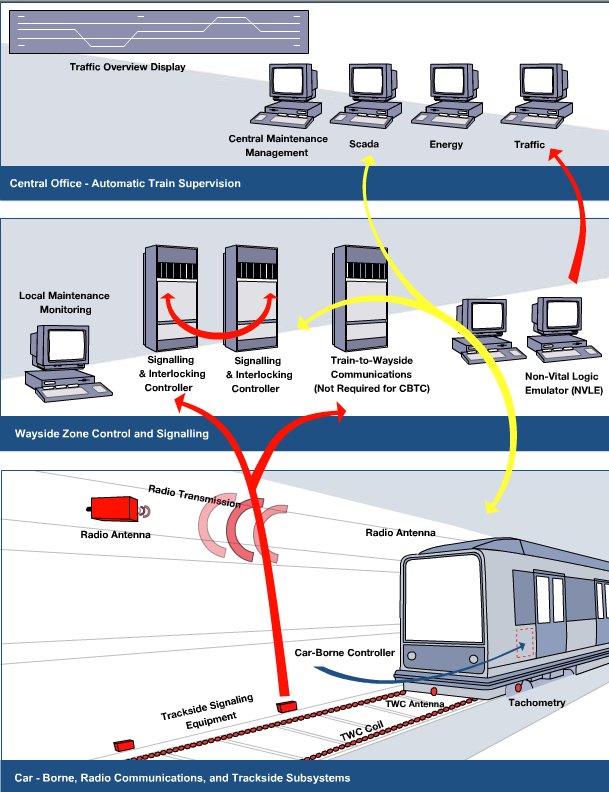
The modern response is “automation with supervision”. Systems like CBTC (Communications-Based Train Control) eliminate the possibility of a train advancing if it does not have a digitally secured “free block”, regardless of what a human operator decides.8 In metro and commuter networks, this allows headway reduction to 90 seconds with total safety. Staff training has also changed, moving from rote memorization of regulations to high-fidelity simulator training preparing drivers for rare but deadly crisis situations, such as tunnel fires or brake failures on slopes.12
In summary, history’s ten most serious railway accidents have left a legacy of steel, sensors, and laws. Each of the 5,000 to 7,000 deceased in these events has contributed, through the technical investigation of their deaths, to creating a global system that is today capable of moving billions of people with infinitesimal risk. Railway safety is the definitive victory of engineering over fatality.
Review Questions
What system was implemented globally after the Tsunami disaster in Sri Lanka (2004)?
The IOTWMS (Indian Ocean Tsunami Warning and Mitigation System) and automatic braking protocols for earthquakes.
What fundamental technical lesson did the Saint-Michel-de-Maurienne accident (1917) leave?
The insufficiency of manual braking and the need for continuous air brakes and dynamic braking systems.
What safety measure in tunnels was adopted after the Balvano accident (1944)?
The ban on steam traction in critical tunnels and the improvement of ventilation and CO2 detection systems.
What Spanish safety system was promoted after the Torre del Bierzo accident?
The ASFA (Announcement of Signals and Automatic Braking) system to supervise the driver.
What paradigm shift defines modern railway safety?
The evolution from “mechanical resistance” to “systemic intelligence” and supervised automation (CBTC, ERTMS).
Bibliography
-
Railway Accidents Prevention – A Systematic Analysis, accessed on February 4, 2026 ↩ ↩2
-
2004 Sri Lanka tsunami train wreck - Wikipedia, accessed on February 4, 2026 ↩ ↩2 ↩3 ↩4 ↩5 ↩6 ↩7 ↩8 ↩9
-
Railroad Accident in India Kills 800 History Research Starters - EBSCO, accessed on February 4, 2026 ↩ ↩2 ↩3 ↩4
-
Saint-Michel-de-Maurienne derailment - Wikipedia, accessed on February 4, 2026 ↩ ↩2 ↩3 ↩4 ↩5 ↩6
-
Ciurea rail disaster - Wikipedia, accessed on February 4, 2026 ↩ ↩2 ↩3
-
The 5 Worst Train Accidents in History - Arnold & Itkin, accessed on February 4, 2026 ↩ ↩2
-
Ufa train disaster - Wikipedia, accessed on February 4, 2026 ↩ ↩2 ↩3 ↩4 ↩5 ↩6 ↩7
-
The world’s worst train disasters - Railway Technology, accessed on February 4, 2026 ↩ ↩2 ↩3 ↩4 ↩5 ↩6 ↩7 ↩8 ↩9 ↩10 ↩11 ↩12 ↩13 ↩14 ↩15 ↩16
-
Accidente ferroviario de Torre del Bierzo de 1944 - Wikipedia, la enciclopedia libre, accessed on February 4, 2026 ↩ ↩2 ↩3 ↩4 ↩5 ↩6
-
Lessons from the 2004 tsunami. UH’s Pacific Disaster Center helps make the world safer, accessed on February 4, 2026 ↩
-
Reflecting on 20 Years. How the Indian Ocean Tsunami shaped disaster preparedness in the Caribbean - UNDRR, accessed on February 4, 2026 ↩ ↩2
-
Train Accidents. Causes and Safety Measures - Getlegal India, accessed on February 4, 2026 ↩ ↩2 ↩3 ↩4 ↩5 ↩6
-
Bihar train derailment - Wikipedia, accessed on February 4, 2026 ↩
-
Commanded Catastrophe. The 1917 Saint-Michel-de-Maurienne (France) Derailment by Max S Medium, accessed on February 4, 2026 ↩ ↩2 ↩3
-
Ufa Train Disaster 1989. The USSR’s Worst Peacetime Train… by Elisa Bird Lessons from History Medium, accessed on February 4, 2026 ↩ ↩2 ↩3
-
Balvano train disaster - Wikipedia, accessed on February 4, 2026 ↩ ↩2 ↩3 ↩4 ↩5 ↩6
-
La tragedia de Adamuz trae el recuerdo del accidente ferroviario más grave de la historia de España en Torre del Bierzo - ILEON, accessed on February 4, 2026 ↩
-
Ministerio de transportes, accessed on February 4, 2026 ↩
-
Hundreds dead in Egyptian rail disaster - World Socialist Web Site, accessed on February 4, 2026 ↩
-
Rail Safety Policy After East Palestine Cato Institute, accessed on February 4, 2026 ↩ ↩2